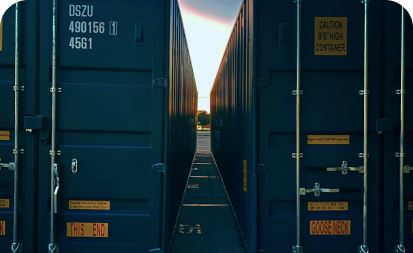
The UAE e-commerce market is exploding, projected to reach USD 8.5 billion by end-2025 with 23% annual revenue growth, fueling unprecedented demand for logistics services. This boom—driven by 99% internet penetration and digital payment adoption—transforms supply chains, creating new opportunities and challenges for B2B shippers serving retailers, manufacturers, and distributors across GCC, Africa, Asia, and beyond.
Surging Demand for Last-Mile and Warehousing Solutions
E-commerce growth accelerates need for rapid 1-3 day deliveries, with 3PL providers dominating shipments as platforms like Amazon and Noon outsource to specialists like Aramex and Fetchr. B2B shippers benefit from expanded warehousing clusters in Dubai, Abu Dhabi, and Sharjah—now capturing significant space with e-commerce parks and automation for faster fulfillment. Returned orders (high in fashion/electronics) demand reverse logistics expertise, turning potential losses into efficient recovery processes.
Integrated Supply Chains and Strategic Advantages
For B2B operations, this means tighter integration with e-commerce platforms via APIs for real-time inventory syncing and multimodal transport (ground/air/sea) supporting same-day options. UAE's infrastructure like Dubai Logistics City and JAFZA free zones positions shippers for cross-border efficiency, handling intercity/intracity flows with COD, cards, and digital payments. Shippers adopting these trends reduce costs, improve reliability, and capture market share in a logistics sector valued at USD 41B growing at 6.3% CAGR through 2030.
As UAE cements its role as MENA's e-commerce leader, B2B logistics providers leveraging last-mile innovation and warehousing scale deliver competitive edges—ensuring seamless B2C-to-B2B supply chain connectivity.