
Container Loading Optimization for Cost Reduction
How rational use of volume and payload capacity reduced transportation costs per unit of goods without disrupting delivery timelines
Client Request & Challenge
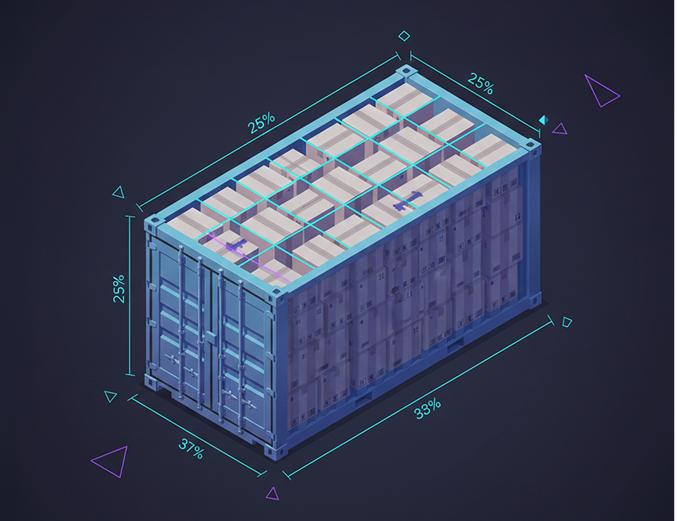
By routinely transporting light cargo (up to 10 tons) in a 20-foot container, the client has effectively overpaid for unused volume.
The key challenge was to optimize loading to reduce costs per unit of goods without critically impacting timelines.
Key Challenges


Solution & Format Selection
We suggested considering consolidated cargo in a 40-foot container. An analysis of actual weight and volume showed it would maximize capacity utilization. Recommended high-capacity 40-foot containers, verifying weight limits and route regulations.
Implementation
Conducted analysis of weight, volume, and regulations across all route countries. Selected optimal loading format considering port and road restrictions. Coordinated consolidated cargo in a 40-foot container to avoid fines and delays, ensuring rational use of every cubic meter and ton.
Results & Outcome
Measurable impact and successful delivery metrics
Key Achievements
Project Scope
Shipment Details
Route & Timeline
Key Takeaways
- Efficient logistics is not just about the route, but about rational use of every cubic meter and ton of payload capacity.
- Even minor changes in loading format can yield tangible financial effects without compromises in delivery quality.
- Properly selected container type is a direct tool for cost optimization.


Ready to Optimize Your Logistics?
Get in touch with our experts to discuss your specific requirements and receive a customized solution.